Archive for the ‘lectionary’ Category

I Will Be Made Well

June 24, 2012

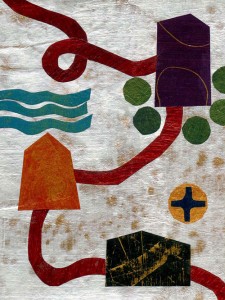
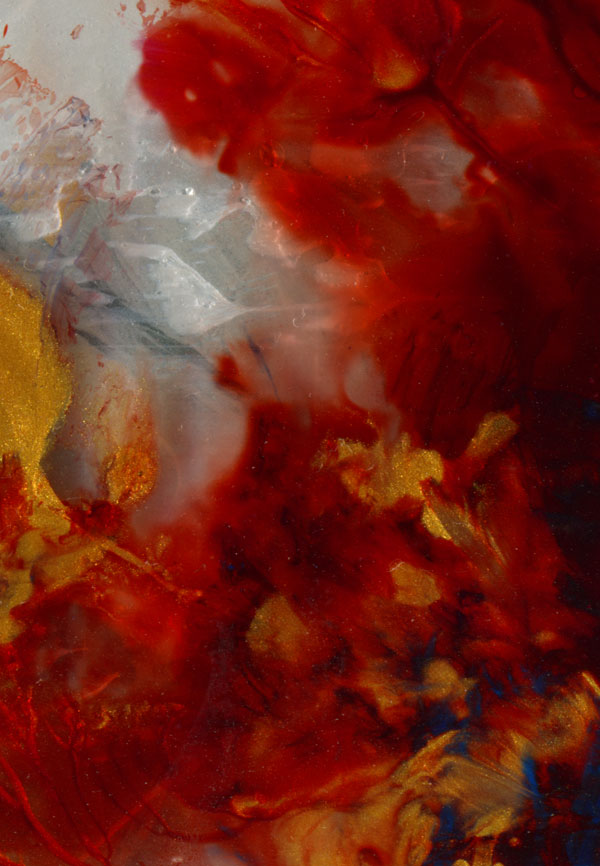
Image: I Will Be Made Well © Jan Richardson

Reading from the Gospels, Pentecost +5, Year B: Mark 5.21-43

There are experiences that seem to come as interruptions, stories that shoulder their way into the story we think we are living. Intent upon my individual tale, face turned toward the destination I am bent upon, I can resent the intrusions, the ways that other stories sometimes press upon, break through, waylay my own.

A woman is bleeding. Exhausted. Spent. For years her life has been draining from her. Twelve years, if we’ll be precise: the exact span of time that the child—the girl, the daughter of Jairus—has been alive. The daughter who now hovers near death, her father pleading with Jesus to come and make her well.

Jesus goes to the girl, and is halted midway by the woman. With one gesture, one desperate reaching out of her hand toward the hem of Jesus’ robe, the bleeding woman breaks into the narrative. She interrupts the tale of healing that the gospel is seeking to tell. With her aching gesture, the woman compels us to see that our stories do not come to us unbroken and discrete, spinning out in tidy and autonomous arcs. The story of the healing of the woman becomes bound with the story of the healing of the girl, their individual stories becoming one story. An interruption becomes an intertwining: a story made more whole by the joining of its parts. A story that is still being pieced together in the living of our own tales, and in the telling of them.

What stories will we allow to break through, to interrupt, to intertwine with our own? What stories are bound with ours, their fragments joining to create a tale more complete than the one we could tell alone? What story do you need to receive or to tell in order to become more whole: to be made well?

The Healing That Comes
A Blessing

I know how long
you have been waiting
for your story to take
a different turn,
how far
you have gone in search
of what will mend you
and make you whole.

I bear no remedy,
no cure,
no miracle
for the easing
of your pain.

But I know
the medicine
that lives in a story
that has been
broken open.

I know
the healing that comes
in ceasing
to hide ourselves away
with fingers clutched
around the fragments
we think are
none but ours.

See how they fit together,
these shards
we have been carrying—
how in their meeting
they make a way
we could not
find alone.

—Jan Richardson

2017 update: This blessing appears in my new book, The Cure for Sorrow.

For a previous reflection on this story, click the image or title below:

Stories and Circles

And for a related blessing for healing, see:

Epiphany 6: What the Light Shines Through

[To use the image “I Will Be Made Well,” please visit this page at janrichardsonimages.com, where you can also order an art print of this image. Your use of janrichardsonimages.com helps make the ministry of The Painted Prayerbook possible. Thank you!]
Still in the Storm

June 17, 2012

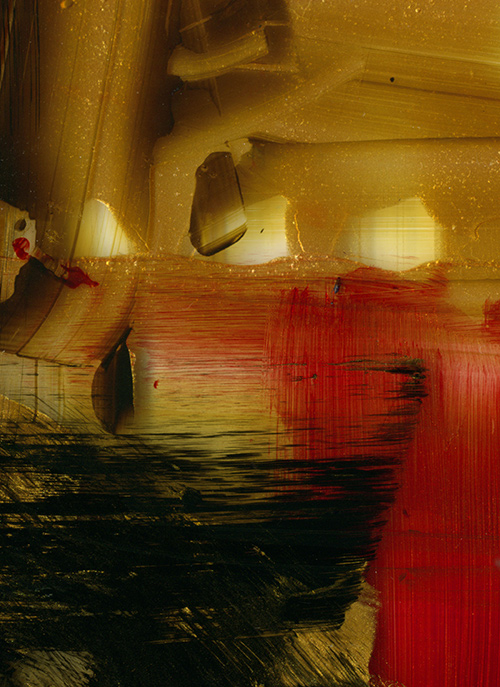
Still in the Storm © Jan L. Richardson

Reading from the Gospels, Pentecost +4 (June 24), Year B: Mark 4.35-41

Yesterday I performed a wedding in the sweet chapel where Gary and I lead our Wellspring service. The bride and groom, who live out of state, had quickly arranged to have their wedding here in Florida when it became apparent that the bride’s father, who had become quite ill, would not be able to travel for the wedding. Though everyone had hoped he would be walking his daughter down the aisle, he died earlier this week. Two days before the wedding, the family held his funeral.

Peace a friend said to me as I prepared for the bittersweet wedding ceremony.

Peace I said to the beautiful bride as she prepared to walk down the aisle without her father.

Peace said the community that gathered around the couple, acknowledging the loss, celebrating the love that had drawn us there.

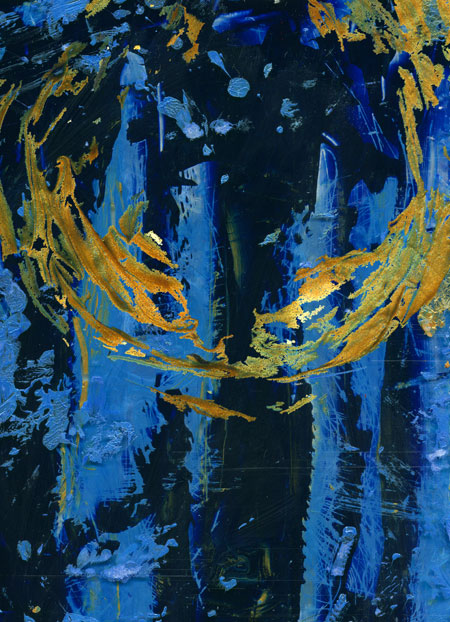
Peace we said, unable to stop the storm but choosing to stand within it, to still ourselves, to turn our faces toward the One who speaks peace, who breathes peace, who is peace.

Blessing in the Storm

I cannot claim
to still the storm
that has seized you,
cannot calm
the waves that wash
through your soul,
that break against
your fierce and
aching heart.

But I will wade
into these waters,
will stand with you
in this storm,
will say peace to you
in the waves,
peace to you
in the winds,
peace to you
in every moment
that finds you still
within the storm.

For a previous reflection on this passage, visit Stirring the Sleeping Savior. I also have a new post at Devotion Café.

[To use the image “Still in the Storm,” please visit this page at janrichardsonimages.com. Your use of janrichardsonimages.com helps make the ministry of The Painted Prayerbook possible. Thank you!]
Secret of the Seed

June 12, 2012

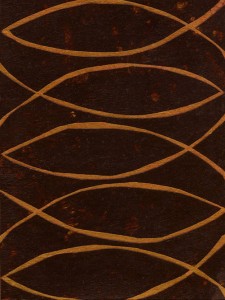
Image: Secret of the Seed © Jan Richardson

Reading from the Gospels, Pentecost +3, Year B: Mark 4.26-34

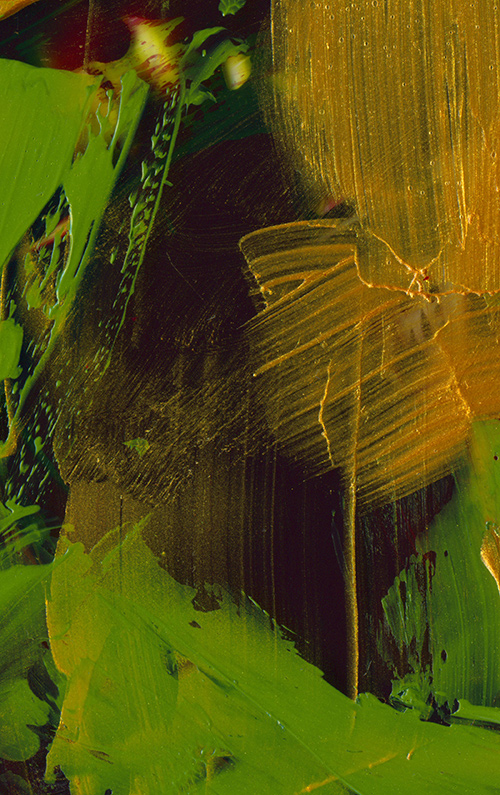
What showed up in the studio this week was not the seed but the space that waits for the seed, that holds itself in a shimmering emptiness, already loving what it cannot see but aches to enfold. How the green of growing already reaches toward the seed, the gold of harvest even now anticipates the way it will paint itself across the fruit that will be months in coming. How they love this mystery, this space where the seed will grow in secret while the rest of us sleep and rise night and day, our lives encompassing what we cannot see but lean toward in love.

Blessing That Holds
a Nest in Its Branches

The emptiness
that you have been holding
for such a long season now;

that ache in your chest
that goes with you
night and day
in your sleeping,
your rising—

think of this
not as a mere hollow,
the void left from
the life that has leached out
of you.

Think of it like this:
as the space being prepared
for the seed.

Think of it
as your earth that dreams
of the branches
the seed contains.

Think of it
as your heart making ready
to welcome the nest
its branches will hold.

—Jan Richardson

2017 update: “Blessing That Holds a Nest in Its Branches” appears in my new book, The Cure for Sorrow: A Book of Blessings for Times of Grief.

[To use the image “Secret of the Seed,” please visit this page at janrichardsonimages.com. Your use of janrichardsonimages.com helps make the ministry of The Painted Prayerbook possible. Thank you!]
Kinfolk

June 5, 2012

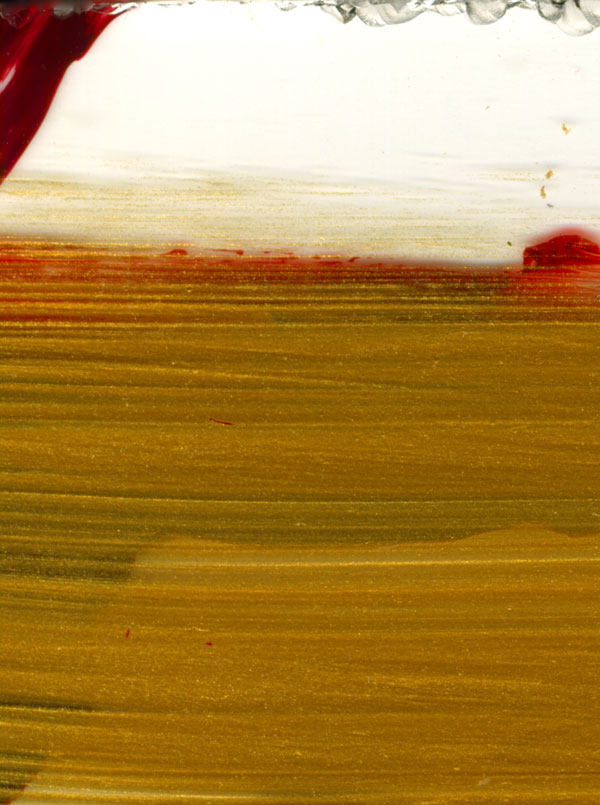
Kinfolk © Jan L. Richardson

Reading from the Gospels, Pentecost +2 (June 10), Year B: Mark 3.20-35

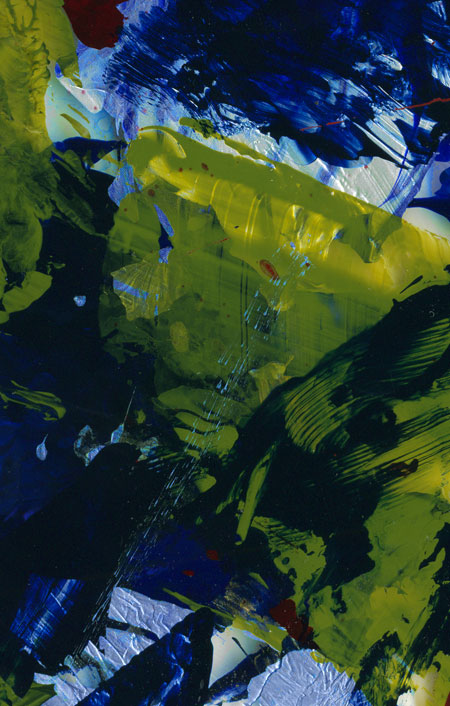
I still remember the day during my first year of seminary when Roberta Bondi, in our “Introduction to Christian Thought” course, drew a circle for the class. Placing a point in the center, she then drew lines from points around the circle that stretched toward the center point. This circle, she told us, was first traced by Dorotheos of Gaza, a monk who lived in the 6th century. In one of his homilies, Dorotheos invited his hearers to imagine such a circle, with God as the center point.

“The straight lines drawn from the circumference to the center are the lives of human beings,” Dorotheos said. “…To move toward God, then, human beings move from the circumference along the various radii of the circle to the center. But at the same time, the closer they are to God, the closer they become to one another; and the closer they are to one another, the closer they become to God.” [Dorotheos’s quote can be found in Bondi’s splendid book To Love as God Loves.]

With such persistence, Jesus works throughout his ministry to draw his hearers deeper into this circle. He defines the circle not as a place for folks who have a shared affinity, or who think the same way, or who hold all the same beliefs in common. The circle goes deeper than friendship. It is family.

On the day when Jesus’ kinfolk come looking for him—”to restrain him,” Mark tells us in this Sunday’s Gospel lection, “for people were saying, ‘He has gone out of his mind,'”—the crowd tells Jesus, “Your mother and your brothers and sisters are outside, asking for you.” He replies, “Who are my mother and my brothers?” Looking at those around him, Jesus says, “Here are my mother and my brothers! Whoever does the will of God is my brother and sister and mother.”

Jesus knows what it means to be family. He is not disrespecting his family of birth here; it is from them, after all, that he first learned to treasure the bonds of kinship, bonds that he now draws upon as an image and model for the relationship he seeks to have with us. Jesus simply has a notion of kinship that goes deeper and broader than ours often does. Jesus traces his circle wide, calling us all to be kinfolk to him by doing what God desires us to do. And if kinfolk to him, then kinfolk to one another, with all the delights and aches that come in learning to be a family.

In these days there is much that works to divide us and rend us and turn us away from one another. And so may we instead draw closer to each other as we stretch toward the God who lives at the center of the circle, and who somehow encompasses it—and us—all around.

P.S. I have a new reflection at Devotion Café; click the image or title below to visit:

Mojo

[To use the image “Kinfolk,” please visit this page at janrichardsonimages.com. Your use of janrichardsonimages.com helps make the ministry of The Painted Prayerbook possible. Thank you!]
Trinity Sunday: Drenched in the Mystery

May 29, 2012

Drenched in the Mystery © Jan L. Richardson

Reading from the Gospels, Trinity Sunday (June 3), Year B: John 3.1-17

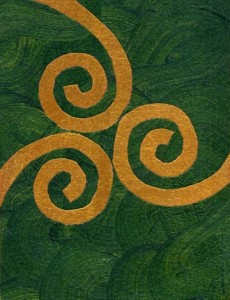
As Trinity Sunday approaches, I find myself spiraling once again around Celtic wellsprings of faith that have so richly nourished the Christian tradition. As I’ve written about in a previous reflection for Trinity Sunday, Celtic folks have long devoted their creative energies not so much to laying out a clearly articulated systematic theology of the Trinity but rather to invoking and evoking the triune God in the rhythms and rituals, relationships and routines of daily life. For more than a millennium, the Celtic experience of the Trinity has appeared in a vivid variety of forms, including artwork, poetry, hymns, and prayers. The Three-in-One God is also called upon in blessings such as this one that Alexander Carmichael collected in Scotland in the 19th century and included in the Carmina Gadelica:

The guarding of the God of life be on you,
The guarding of loving Christ be on you,
The guarding of Holy Spirit be on you
Every night of your lives,
To aid you and enfold you
Each day and night of your lives.

Celtic wellsprings of spirituality remind us that the Trinity is not merely an idea to be grasped but a mystery to be experienced and a relationship to be entered into. This approach finds its undergirding in such stories as the one in this year’s Gospel lection for Trinity Sunday, where we get to eavesdrop on the nighttime visit that Nicodemus makes to Jesus. In Jesus’ responses to the questions Nicodemus poses about being “born from above,” we see that while understanding is important and something to be worked toward (“Are you a teacher of Israel,” Jesus asks of Nicodemus, “and yet you do not understand these things?”), what Christ desires most for us to grasp is the love of God: the love that sent Christ into the world to show us the face of God; the love that claims us and calls us; the love that invites us to enter into relationship with the One who dwells in mystery yet seeks to know us in the midst of everyday life; the love that drenches us and draws us into new life.

The approach of Trinity Sunday means that we have crossed once again into the season sometimes known as Ordinary Time. We had a brief bit of Ordinary Time earlier in the year, prior to Lent; now, starting with the day after Pentecost, we have entered into a much longer stretch that will lead us to the threshold of Advent. While the name “Ordinary Time” (from the Latin tempus per annum, “time through the year”) may well have its roots in the word ordinal, there is also a sense that the season encompasses the more commonplace sense of ordinary. Not in the sense of being lackluster or humdrum, as if God could be less than extraordinary. Rather, in these months that hold no major liturgical celebrations or feast days, we are beckoned to seek the God who shows up not only in the more dramatic times such as Lent and Easter, Advent and Christmas, but who meets us also in the rhythms of our daily living: in the patterns and repetitions and rituals that give order to our days; in the relationships and connections that reveal the God who inhabits every hour.

In the coming days and weeks—and in these moments, here and now—how will you look for the presence of the God who seeks you with constant love?

Blessing for Trinity Sunday

In this new season
may you know
the presence of the God
who dwells within your days,
the mystery of the Christ
who drenches you in love,
the blessing of the Spirit
who bears you into life anew.

For previous reflections on Trinity Sunday, click the images or titles below.

Trinity Sunday: A Spiral-Shaped God

Trinity Sunday: Blessing of the Ordinary
(includes “Blessing the Ordinary”)

For previous reflections on John 3.1-17, which also appears during Lent in Year A, click these images or titles.

Lent 2: Born of Water, Born of Spirit

Lent 2: In Which We Get Goosed

P.S. Join us for artful Advent preparation! Gary and I are excited about returning to the enchanting Grünewald Guild this summer, where we’ll be involved with the Liturgical Arts Week. The week will run from July 30-August 5, and our theme this year is “A Spiral-Shaped God.” I’ll be serving again as the keynote speaker for the week, and Gary and I will teach a class together called “Advent Portfolio: To Illuminate the Season.” The class will provide a great opportunity to dive into the Advent lectionary texts using a variety of creative approaches. Come join us! Classes at the Guild are limited in size and tend to fill up quickly; if you’re interested, be sure to register soon. More info at Liturgical Arts Week. (No experience as an artist is necessary!)

[To use the image “Drenched in the Mystery,” please visit this page at janrichardsonimages.com. Your use of janrichardsonimages.com helps make the ministry of The Painted Prayerbook possible. Thank you!]

Pentecost: The Origin of Fire

May 22, 2012

The Origin of Fire © Jan L. Richardson

Reading from the Book of Acts, Day of Pentecost (May 27): Acts 2.1-21

Gary and I have just returned from spending a few days in Virginia, where we led a retreat and Sunday worship at the wonderful Gayton Kirk, and Gary did a couple of concerts in the Richmond area. Amongst the marvelous folks we spent time with over the weekend were  two young sisters, seven and eight years old, who each gave me a piece of their artwork, and an 87-year-old woman who, after a series of losses, spoke of how she is excited to see what new thing God has in store for her.

On the morning of Pentecost, after the Spirit-scorched disciples are accused of being drunk, Peter reaches back in time as he addresses his accusers, conjuring the words of the prophet Joel. In the last days it will be, God declares, that I will pour out my Spirit upon all flesh, and your sons and your daughters shall prophesy, and your young men shall see visions, and your old men shall dream dreams (Acts 1.17,  NRSV,  drawing from Joel 2.28).

Borrowing Joel’s words, Peter reminds us that we belong to a God who has small regard for chronology. In the days to come, Peter and the prophet tell us, God will pour out God’s Spirit upon those of few years as well as those possessed of many years; those with little history or experience will be able to envision things yet to unfold, and the elders who surely must have seen it all will be visited with new dreams of events they could never have imagined.

In the last days, Peter and Joel tell us. Yet the God who is not a slave to chronology, this God who abides in time but is not bound by it, offers us glimpses of how the Spirit moves even in these days. For me, these glimpses come in small moments that linger: young girls whose drawings invite me to see the world through their eyes and imaginations; a woman of great years whose expectant waiting challenges me to ponder where I am looking for new life. Each one draws my vision, my attention, my dreaming toward the God who pours out the Spirit with abandon: this Ancient One who is the origin of fire and sends it forth to make all things new.

For previous reflections on Pentecost, click the images or titles below. And for my subscribers who receive these blog posts via email: if it’s been a while since you’ve visited The Painted Prayerbook online, please stop by and see our new look!

Pentecost: One Searing Word
(includes “Pentecost Blessing”)

Pentecost: Fire and Breath

[To use the image “The Origin of Fire,” please visit this page at janrichardsonimages.com. Your use of janrichardsonimages.com helps make the ministry of The Painted Prayerbook possible. Thank you!]
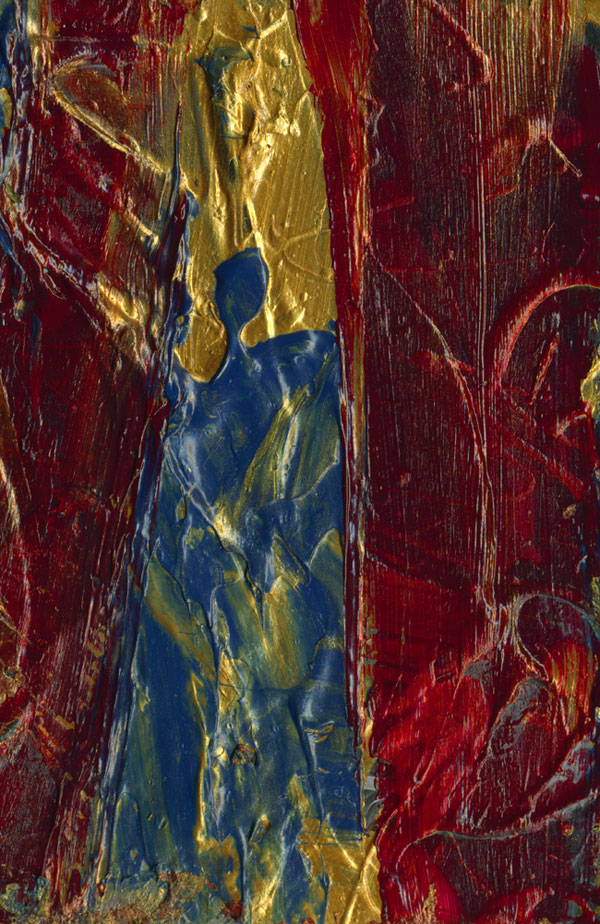
Ascension/Easter 7: While He Was Blessing Them

May 16, 2012

Image: While He Was Blessing Them © Jan Richardson

Reading from the Gospels, Ascension Day/Ascension of the Lord (often celebrated the Sunday after): Luke 24.44-53
Reading from the Gospels, Easter 7: John 17.6-19

It is a season of leave-takings. In the United Methodist Church, this is the time of year when colleagues who will be moving to new pastoral appointments this summer are announcing the news. Several friends have died in recent weeks (including dear Joe, whom I wrote about in this post a few months ago) as have several family members of friends. Graduation ceremonies are taking place (Brenda Lewis, my longtime friend and seminary roommate, reminded me this week that it’s been twenty years since our own graduation from Candler School of Theology), boxes are being packed, and familiar landscapes are receding into the distance.

In the rhythm of the liturgical year, this too is a season of leave-taking. For some time now we’ve been watching Jesus prepare his friends for his coming absence. As Jesus practices the art of departure, he invites us to think about what it means to say good-bye with intention, with mindfulness, with love. This week, the exquisite care that Jesus brings to his leaving reaches its apex in the passages for Ascension Day and Easter 7.

As always, I am struck by how, in Luke’s account of the Ascension, Jesus chooses to leave from Bethany. It is a beloved place of memory for Jesus: here he found hospitality in the home of his friends Mary, Martha, and Lazarus; here he raised Lazarus from the dead; here he received the gift of a woman’s anointing shortly before his death. Bethany has been a place of blessing for Jesus. And so, from this place of blessing, Jesus leaves, offering a blessing as he goes. While he was blessing them, Luke tells us, he withdrew from them and was carried up into heaven (24.51).

As we see also in this week’s passage from John, the blessing is part of the leaving. And, somehow, the leaving is part of the blessing. His departure—and the way he enters into it—is part of Jesus’ final gift to his friends. In much the same way that Jesus tells Mary Magdalene on Easter morning not to hold onto him, Jesus at the table and in his Ascension urges his disciples—his friends—to grow up. He invites them to enter into a new relationship with him that will no longer depend on his physical presence but will rely instead on trusting in his love and growing into the people and the community that Christ has called them to become. It is time for them to become his body, to continue his transforming work in the world that he has physically left but has not abandoned.

Joyful, sorrowful, bittersweet; planned or unexpected; welcomed or resisted or grieved: no matter how a leave-taking happens, it always brings an invitation, and it makes a space for the Spirit to come. As you navigate the leave-takings in your own life, how do you keep your eyes open for the invitations they hold? What blessings do they offer, and what blessings do they invite?

In the Leaving
A Blessing

In the leaving,
in the letting go,
let there be this
to hold onto
at the last:

the enduring of love,
the persisting of hope,
the remembering of joy,

the offering of gratitude,
the receiving of grace,
the blessing of peace.

—Jan Richardson

2016 update: This blessing appears in my new book, Circle of Grace: A Book of Blessings for the Seasons.

P.S. For previous reflections on the Ascension, click the images or titles below.

Ascension/Easter 7: Blessing in the Leaving
(includes “Ascension Blessing”)

Ascension/Easter 7: A Blessing at Bethany

[To use the image “While He Was Blessing Them,” please visit this page at janrichardsonimages.com. Your use of janrichardsonimages.com helps make the ministry of The Painted Prayerbook possible. Thank you!]
Easter 6: Abide In My Love

May 7, 2012

Abide In My Love © Jan L. Richardson

Reading from the Gospels, Easter 6 (May 13): John 15.9-17

After his resurrection, he will prove more elusive—telling Mary Magdalene not to hold onto him, disappearing from the table at Emmaus—but on this night, gathered at the table with his companions, he is fully present to those whose lives have become so intertwined with his. Though Jesus tells the disciples that he has made everything known to them, he sees what lies ahead more clearly than they can. And so he lingers at the table, telling them all that he wants them to understand, preparing them as best he can for the time when he will no longer be physically present to them.

Even as he works with such intention and care to make the disciples ready for his absence, Jesus impresses upon them that he is not letting them go, that his physical departure will not bring an end to his relationship with them, his loving of them. Abide in my love, he urges them, echoing and expounding on the imagery of the vine that he has offered in the preceding verses. He twines his words around them, calling them to stay with him, to remain, to persist in their sacred entanglement that will bear fruit for a hungering world.

In a world where leavings and endings often carry a sense of abandonment, Jesus somehow manages to make an art of departure. He does not turn his face from the pain involved, yet he draws the eyes and ears of his companions to the power and beauty and grace of the connections they have forged: connections that, though changing, will endure.

I have called you friends, he says to them. And says to us: offering himself, seeking us, lingering with us still.

Blessing

Even in the leaving
o abide with us
turn your face
toward us
and remain with us,
stay with us
still.

P.S. For a Mother’s Day reflection and blessing, visit Mother’s Day: Blessing the Mothers at my Sanctuary of Women blog.

[To use the image “Abide In My Love,” please visit this page at janrichardsonimages.com. Your use of janrichardsonimages.com helps make the ministry of The Painted Prayerbook possible. Thank you!

Easter 5: I Am the Vine

May 2, 2012

Image: I Am the Vine © Jan Richardson

Reading from the Gospels, Easter 5: John 15.1-8

This week I’ve designed some multimedia yumminess for you as you reflect on the evocative passage from John that serves as our gospel lection for Sunday. Along with this fresh-from-the-studio painting, I’m delighted to offer the song “Remain In Me” from my singer/songwriter husband, Garrison Doles. It’s from his CD House of Prayer. Just click the audio player below to enjoy.

In these Easter days, may you know yourself intertwined with the true vine who is our sustenance. Blessings.

[To use the image “I Am the Vine,” please visit this page at janrichardsonimages.com. Your use of janrichardsonimages.com helps make the ministry of The Painted Prayerbook possible. Thank you!]
Easter 2: Living into the Resurrection

April 13, 2012


Into the Wound © Jan L. Richardson

Reading from the Gospels, Easter 2: John 20.19-31

Happy Easter! I am grateful for the wisdom of the liturgical calendar that tells us that, like Christmas, Easter is not just a day but a season. It comes as both a comfort and a challenge to know that living into the resurrection is an ongoing journey.

Things have been quiet here at The Painted Prayerbook this week, with taking a deep breath after posting daily throughout the season of Lent and also spending time in preparation for upcoming events, including a retreat I’m leading next week for the women bishops of the United Methodist Church. With this, and needing to spend time in my studio to see what images are waiting to show up after the wave of paintings for Lent, it may be a little while before we get back into the blogging groove here. But know that new work is on its way. In the meantime, I’ll post links to previous reflections I’ve offered on the lectionary readings that we’re traveling with in this Easter season.

Since this week’s gospel lection from John 20 recurs each year, I have several reflections on this passage and would be delighted for you to stop by:

Easter 2: Into the Wound

Easter 2: The Secret Room

Easter 2: The Illuminated Wound

Blessings to you in these Easter days!

[To use the “Into the Wound” image, please visit this page at janrichardsonimages.com. Your use of janrichardsonimages.com helps make the ministry of The Painted Prayerbook possible. Thank you!]